Open Angle Post Logo
News Without the Noise

Facts over outrage. Clarity over certainty.

UK Grapples With Power Delegation Amidst Activist's Contentious Return
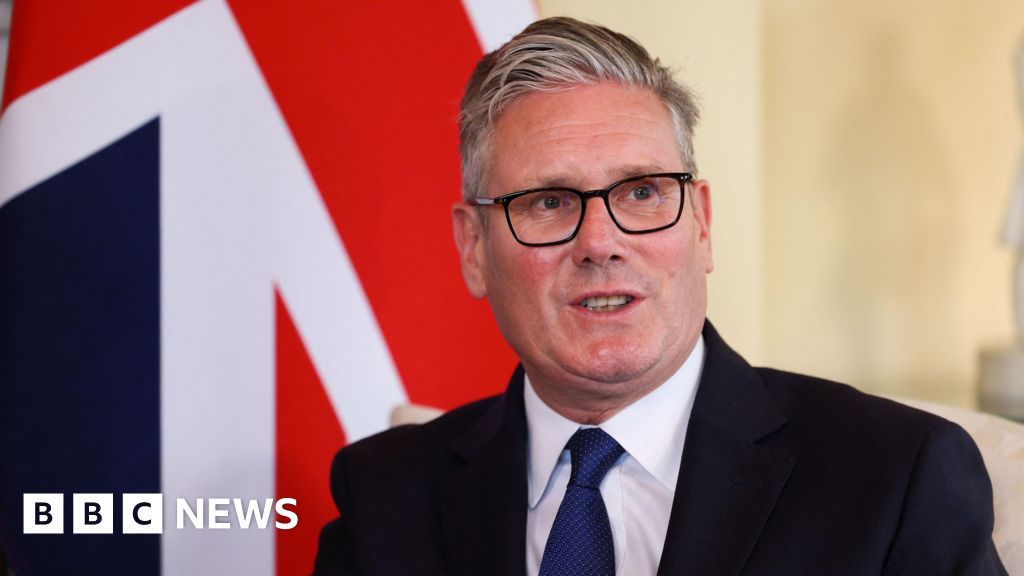
Image from:BBCBBC

UK Grapples With Power Delegation Amidst Activist's Contentious Return

Disagreement:moral
Values Alignment:
●●○○○4/10

Entities Mentioned

Key Takeaways

  • 1The Alaa Abd El-Fattah case highlights the tension between advocating for human rights and addressing problematic past statements, revealing complex challenges for governments.
  • 2Criticisms of the 'stakeholder state' suggest a need for governments to balance diverse interests with efficient governance and responsiveness to voters' priorities.
  • 3The controversy exposes the complexities of granting citizenship and the potential for past actions to undermine present-day perceptions and political stability.
  • 4Selective outrage in political discourse can undermine credibility, emphasizing the importance of consistent application of principles and values across different situations.
  • 5The case underscores the need for thorough vetting processes and comprehensive information gathering to avoid political fallout and maintain public trust in government actions.

What Happened

  • Alaa Abd El-Fattah, an Egyptian-British activist, was released from an Egyptian prison after years of lobbying by British governments, including Keir Starmer's Labour government, who considered his case a top priority.
  • Upon his arrival in the UK, social media posts from around 2010 resurfaced, revealing Abd El-Fattah's controversial statements, including calls for violence against Zionists and disparaging remarks about British people, sparking widespread condemnation.
  • Keir Starmer and other government officials claimed to be unaware of these past statements, leading to criticism and a review of information failures within the government.
  • Opposition parties, including the Conservatives and Reform UK, demanded the revocation of Abd El-Fattah's British citizenship, which he was granted in 2021, citing concerns about national security and public safety.
  • The controversy surrounding Abd El-Fattah's case has ignited a broader debate about the role of the 'stakeholder state' and the government's ability to effectively govern amidst competing interests and regulatory burdens.

Opposite Sides

Government (Labour)
The Labour government initially welcomed Abd El-Fattah's release, emphasizing their commitment to human rights and their efforts to secure his freedom; however, they now face criticism for not being aware of his past statements and are reviewing their information-gathering processes.
Opposition (Conservatives/Reform UK)
Opposition parties are demanding the revocation of Abd El-Fattah's citizenship, arguing that his past statements demonstrate racist and anti-British views that pose a threat to national security and public safety, questioning the government's judgment in advocating for his release.
Human Rights Advocates
Human rights advocates emphasize Abd El-Fattah's years of political imprisonment and mistreatment in Egypt, arguing that his past statements should be viewed in the context of his activism and the repressive environment he faced, cautioning against disproportionate reactions that could undermine human rights principles.
The Unspoken Tension
The unspoken tension lies in the balance between upholding human rights principles and ensuring national security, as well as the potential for past actions to undermine present-day political stability and public trust. All sides are avoiding a deeper conversation about the complexities of integrating individuals with potentially conflicting values into a society while maintaining social cohesion.
⚖️Plausible Solutions (Radical Centrist Approach)
This isn't either/or—it's both/and. To bridge these perspectives: 1. Implement a transparent and comprehensive review process for citizenship applications, considering both human rights concerns and potential security risks. 2. Establish clear guidelines for government officials regarding due diligence on individuals they advocate for, ensuring awareness of past statements and potential controversies. 3. Promote open dialogue about the complexities of integrating individuals with diverse backgrounds and values, addressing concerns about social cohesion and national identity. 4. Develop educational initiatives that foster understanding and empathy, encouraging critical engagement with diverse perspectives while upholding core values of equality and respect. 5. Create a framework for addressing past problematic statements, allowing individuals to demonstrate genuine remorse and commitment to positive change, while holding them accountable for their actions.

Where the Disagreement Really Lives

Moral Disagreement

The disagreement is about values, ethics, and what should be considered right or wrong—fundamental differences in moral frameworks.

What We Know / What We Don't

What We Know

Alaa Abd El-Fattah, an Egyptian-British activist, was released from Egyptian prison after years of advocacy by British governments and arrived in the UK on December 26. Social media posts from around 2010 resurfaced, containing controversial statements, including calls for violence against Zionists. Keir Starmer stated he was unaware of these posts and has initiated a review of information failures. Opposition parties are calling for Abd El-Fattah's citizenship, granted in 2021, to be revoked.
?

What We Don't Know

It remains unclear what specific information was available to the British government during the citizenship application process and the subsequent advocacy for Abd El-Fattah's release. The extent to which Abd El-Fattah's views have evolved since 2010 is also uncertain, as is the long-term impact of this controversy on UK-Egyptian relations and broader immigration policies.

Plausible Paths Forward

1
If Citizenship is revoked.:
Revoking Abd El-Fattah's citizenship would likely be seen as a betrayal of human rights principles by some, damaging the UK's reputation as a defender of political prisoners. It could also set a precedent for revoking citizenship based on past statements, potentially impacting other naturalized citizens and straining relations with Egypt.
2
If Citizenship is maintained with conditions.:
Maintaining Abd El-Fattah's citizenship while imposing conditions, such as requiring him to participate in educational programs or publicly denounce his past statements, could strike a balance between upholding human rights and addressing concerns about his views. This approach might appease some critics while reaffirming the UK's commitment to due process and rehabilitation.
3
If The issue fades from public attention.:
If the controversy fades from public attention, the government may avoid making a decisive decision, allowing the situation to resolve itself over time. This could lead to lingering doubts about the government's vetting processes and a sense of unresolved tension within the political landscape, potentially impacting future immigration debates.

The Quiet Take

💭

The Abd El-Fattah case reveals a deeper structural problem within political discourse: the tendency to prioritize short-term political gains over long-term strategic considerations. The initial support for his release, driven by human rights concerns, failed to account for the potential repercussions of his past statements, highlighting a lack of comprehensive risk assessment. This reflects a broader pattern of reactive governance, where decisions are made in response to immediate pressures rather than proactive planning and systemic analysis. The focus on individual cases often overshadows the need for institutional reforms that address the root causes of political instability and social division.

What Would Change Our View

Conditions That Would Shift Our Assessment

1Evidence demonstrating a clear and consistent pattern of hate speech or incitement to violence after his arrival in the UK would significantly shift the analysis, suggesting a continued threat to public safety.
2Conversely, evidence of Abd El-Fattah's genuine remorse, active engagement in promoting tolerance, and commitment to democratic values would strengthen the argument for maintaining his citizenship.
3A comprehensive independent review of the vetting process used during his citizenship application would also provide valuable insights.

Source Political Spectrum

Loading spectrum data...

Explore coverage from 42 different publications

Comments

Loading comments...