
Venezuela's Overture: Balancing Drug Cooperation, Oil Interests, and US Intervention Risks
Confidence:
•●●●○○
Disagreement:
•factual
Values Alignment:
●●●●○7/10ℹ️
Entities Mentioned
⚡Key Takeaways
- 1The US-Venezuela relationship is a complex interplay of drug enforcement, oil interests, and political maneuvering, making simple solutions unlikely.
- 2Maduro's willingness to negotiate with the US is likely driven by economic pressures from sanctions and a desire to stabilize Venezuela's struggling economy.
- 3The alleged CIA drone strike represents a significant escalation, raising questions about international law and the limits of US intervention in sovereign nations.
- 4Accusations of drug trafficking serve as a powerful geopolitical tool, potentially masking other strategic interests and complicating diplomatic efforts.
- 5The situation highlights the need for transparent and accountable institutions to manage international relations and prevent the abuse of power.
What Happened
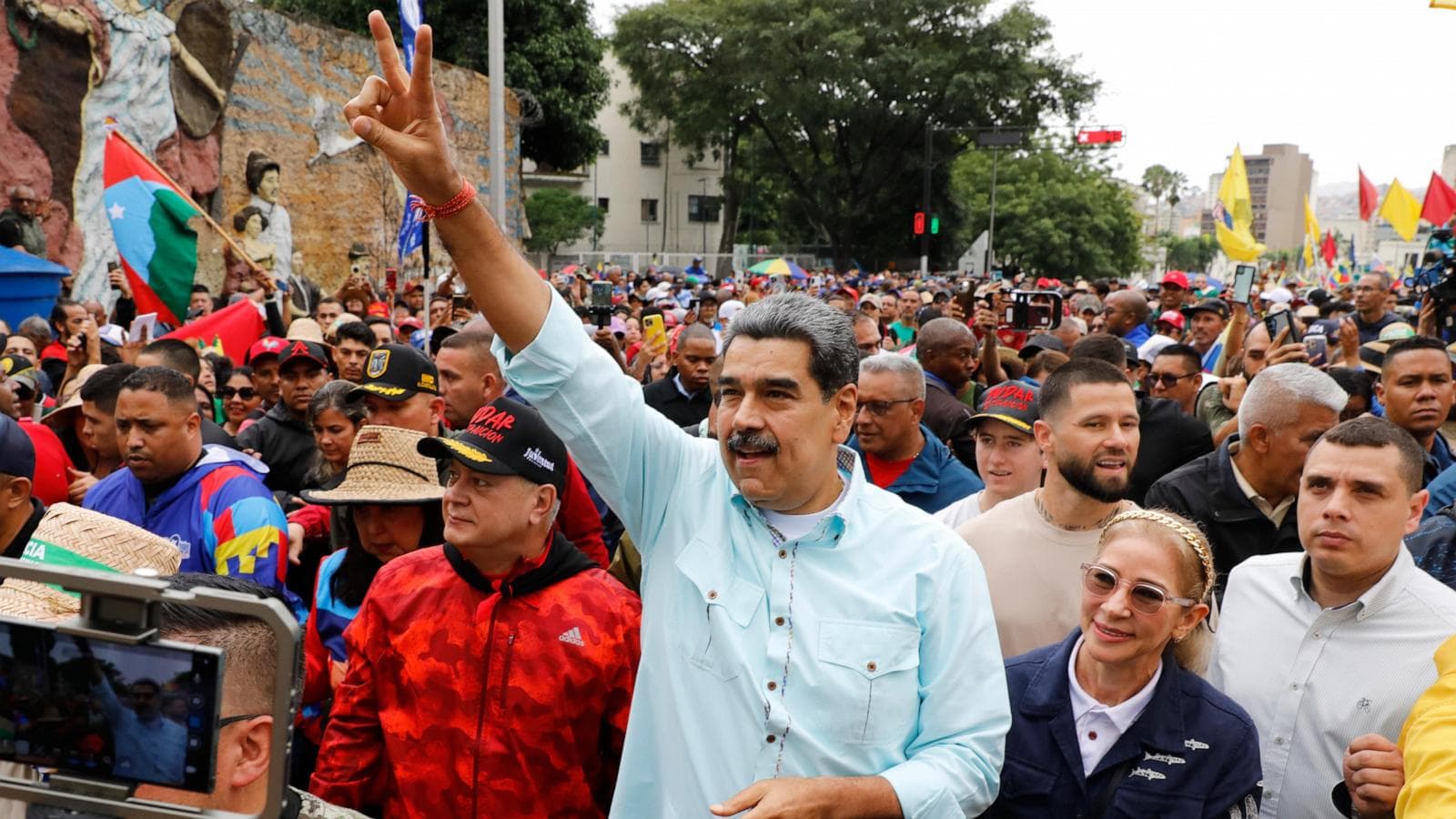
- •Venezuelan President Nicolás Maduro expressed openness to negotiations with the United States on issues including drug trafficking and oil investment, signaling a potential shift in his stance amid escalating tensions.
- •This willingness to negotiate comes after months of increased US military pressure, including strikes on vessels suspected of drug smuggling in the Caribbean and eastern Pacific, as part of the Trump administration's 'war on drugs'.
- •The US military has conducted over 30 strikes on vessels, resulting in over 110 deaths since September 2025, with the latest attack occurring on Wednesday, targeting two boats allegedly carrying drugs.
- •Adding to the complexity, US media outlets reported that the CIA conducted a drone strike on a docking facility in Venezuela, marking a potential first known US operation inside the country, though Maduro has been elusive about confirming this.
- •Maduro has vehemently denied accusations of leading a narco-state and accuses the US of using the 'war on drugs' as a pretext to depose him and seize Venezuela's vast oil reserves, while also facing increased sanctions and a reward for his capture.
Opposite Sides
←Left Wing Perspective
The US intervention in Venezuela is a continuation of imperialist policies aimed at exploiting the country's resources and undermining its sovereignty. The 'war on drugs' is a pretext for regime change, ignoring the root causes of drug trafficking and exacerbating the humanitarian crisis in Venezuela. The focus should be on addressing economic inequality and supporting democratic processes without external interference.
Right Wing Perspective→
Maduro's regime is a corrupt and authoritarian narco-state that poses a threat to regional stability and US national security. Strong action, including military pressure and sanctions, is necessary to dismantle the drug cartels and restore democracy in Venezuela. The US has a responsibility to protect its borders and prevent the flow of drugs into the country, even if it requires intervention.
The Unspoken Tension
Both sides avoid acknowledging the complex interplay of economic interests, political power, and institutional failures that perpetuate the conflict. The left downplays the regime's corruption, while the right ignores the unintended consequences of intervention and sanctions on the Venezuelan people.
⚖️Plausible Solutions (Radical Centrist Approach)
This isn't either/or—it's both/and. To address the situation, we need a multi-faceted approach: 1. Implement targeted sanctions that minimize harm to the civilian population while holding corrupt officials accountable. 2. Support independent investigations into drug trafficking networks, regardless of political affiliation. 3. Facilitate negotiations between the Venezuelan government and opposition groups, with international mediation. 4. Invest in sustainable development programs that address the root causes of poverty and instability. 5. Establish clear legal frameworks for international intervention, with strict oversight and accountability mechanisms.
Where the Disagreement Really Lives
Factual Disagreement
The disagreement centers on what actually happened or what the facts are—different interpretations of events, data, or evidence.
What We Know / What We Don't
Confidence:
●●●○○
✓
What We Know
Nicolás Maduro has expressed a willingness to negotiate with the US on drug trafficking and oil investment. This comes amidst escalating tensions, including US military strikes on vessels suspected of drug smuggling, resulting in over 110 deaths since September 2025. The US has also reportedly conducted a CIA drone strike on a docking facility in Venezuela, a claim Maduro has neither confirmed nor denied. Maduro denies accusations of leading a narco-state, while the US has increased sanctions and a reward for his capture.
?
What We Don't Know
The full extent and nature of the alleged CIA drone strike within Venezuela remains unconfirmed. The specific details of any potential negotiations between the US and Venezuela are also unclear, including the conditions and scope of discussions. The long-term impact of US sanctions on the Venezuelan economy and its people is still uncertain.
Plausible Paths Forward
1
If Negotiations between the US and Venezuela lead to a partial lifting of sanctions in exchange for cooperation on drug enforcement and increased US investment in the oil sector.:
This could stabilize the Venezuelan economy, reduce the flow of drugs into the US, and de-escalate tensions between the two countries. However, it could also legitimize Maduro's regime and fail to address underlying issues of corruption and human rights abuses.
2
If The US continues its pressure campaign, including military strikes and sanctions, leading to further economic hardship and political instability in Venezuela.:
This could trigger a humanitarian crisis, increase migration to neighboring countries, and potentially lead to a violent conflict. It could also backfire, strengthening Maduro's grip on power and alienating international allies.
3
If A third-party mediator, such as the UN or a group of Latin American countries, facilitates a dialogue between the Venezuelan government and opposition groups, leading to a transitional government and free and fair elections.:
This could pave the way for a peaceful resolution of the political crisis, restore democratic institutions, and address the country's economic challenges. However, it would require significant compromise from all parties and a commitment to inclusive governance.
The Quiet Take
💭
The US-Venezuela conflict is a symptom of deeper structural problems in the global political economy. The reliance on drug enforcement as a primary foreign policy tool masks the underlying issues of economic inequality, corruption, and institutional weakness that fuel both drug trafficking and political instability. The focus on regime change ignores the need for long-term sustainable development and the creation of accountable institutions that can address the root causes of the conflict.
What Would Change Our View
↻
Conditions That Would Shift Our Assessment
1Confirmation of the CIA drone strike with verifiable evidence would significantly shift the analysis, highlighting the extent of US intervention and raising serious questions about international law.
2A comprehensive, independent assessment of the impact of US sanctions on the Venezuelan people would also be crucial.
3Finally, a genuine commitment from both sides to engage in good-faith negotiations, with clear objectives and verifiable benchmarks, would signal a potential turning point.
Source Political Spectrum
Loading spectrum data...
Explore coverage from 45 different publications
Comments
Loading comments...