Open Angle Post Logo
News Without the Noise

Facts over outrage. Clarity over certainty.

Venezuela Signals Openness to US Talks Amidst Drug Trafficking Tensions
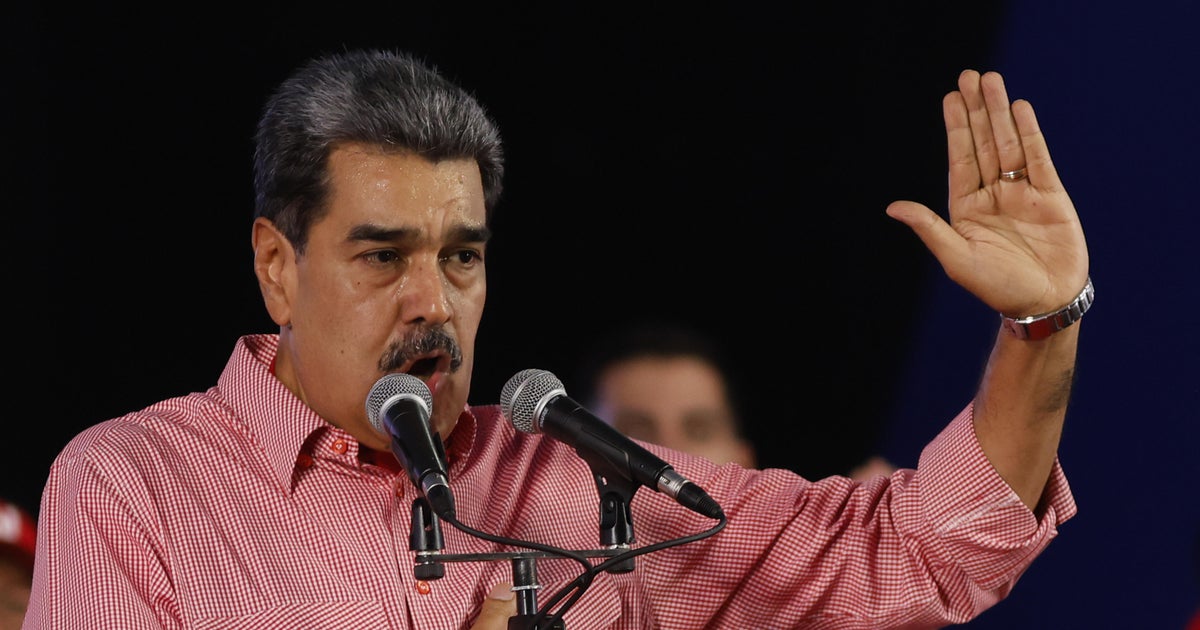
Image from:CBS NewsCBS News

Venezuela Signals Openness to US Talks Amidst Drug Trafficking Tensions

Disagreement:factual
Values Alignment:
●●●○○5/10

Entities Mentioned

Key Takeaways

  • 1Maduro's openness to negotiations with the U.S. presents a potential opportunity to de-escalate tensions and address shared concerns like drug trafficking and economic stability.
  • 2The U.S.'s military actions and sanctions against Venezuela, while intended to combat drug trafficking and exert pressure, risk further destabilizing the country and exacerbating the humanitarian crisis.
  • 3The alleged CIA strike on Venezuelan soil represents a significant escalation that could undermine diplomatic efforts and further erode trust between the two nations.
  • 4Venezuela's economic struggles, exacerbated by sanctions and internal challenges, create a complex situation where both cooperation and conflict are possible paths forward.
  • 5The focus on drug trafficking as a primary justification for U.S. intervention masks deeper geopolitical interests, including access to Venezuela's vast oil reserves and regional influence.

What Happened

  • Venezuelan President Nicolás Maduro has expressed a willingness to engage in talks with the United States on issues including drug trafficking, oil, and migration, signaling a potential shift in relations amid ongoing tensions.
  • The Trump administration has been increasing pressure on Maduro through military actions, including strikes on alleged drug-smuggling vessels, and economic sanctions, aiming to curb drug trafficking and potentially force a change in government.
  • A reported CIA drone strike on a Venezuelan docking facility, allegedly used for drug trafficking, marks a significant escalation in the U.S. campaign and the first known direct operation on Venezuelan soil.
  • Maduro has accused the U.S. of seeking to control Venezuela's vast oil reserves and destabilize the country, while the U.S. accuses Maduro of running a narco-state and supporting terrorist organizations.
  • The situation is further complicated by Venezuela's economic crisis, which has led to a significant decline in oil exports and a humanitarian crisis, with millions of Venezuelans fleeing the country.

Opposite Sides

U.S. Government
The U.S. government views Maduro's regime as illegitimate, corrupt, and involved in drug trafficking, posing a threat to regional stability and U.S. national security; therefore, pressure, including sanctions and military actions, is justified to combat these threats and promote democracy.
Venezuelan Government (Maduro)
The Venezuelan government sees the U.S. actions as an illegal intervention aimed at seizing control of Venezuela's natural resources, particularly its oil reserves, and imposing a regime change; therefore, dialogue is necessary to resolve the conflict peacefully and respect Venezuela's sovereignty.
Counternarcotic Experts
Counternarcotic experts acknowledge Venezuela as a transit country for drugs but emphasize that it is a relatively minor player compared to major producers like Colombia; therefore, focusing solely on Venezuela may not be the most effective strategy for combating drug trafficking.
The Unspoken Tension
The unspoken tension lies in the differing priorities and perceptions of legitimacy. The U.S. prioritizes combating drug trafficking and perceived threats to its interests, while Maduro prioritizes maintaining power and protecting Venezuela's sovereignty. Both sides avoid addressing the underlying economic and political grievances within Venezuela that contribute to instability.
⚖️Plausible Solutions (Radical Centrist Approach)
This isn't either/or—it's both/and. To bridge these perspectives: 1. Establish a neutral, internationally monitored commission to investigate drug trafficking allegations and promote transparency. 2. Offer conditional sanctions relief tied to verifiable progress on democratic reforms and human rights improvements. 3. Facilitate a mediated dialogue between the Venezuelan government and opposition groups to address internal political grievances. 4. Encourage U.S. investment in Venezuela's oil sector under strict regulatory frameworks to ensure fair practices and benefit the Venezuelan people. 5. Increase humanitarian aid to Venezuela through independent organizations to address the economic crisis without political conditions.

Where the Disagreement Really Lives

Factual Disagreement

The disagreement centers on what actually happened or what the facts are—different interpretations of events, data, or evidence.

What We Know / What We Don't

What We Know

Nicolás Maduro has expressed openness to talks with the U.S. on drug trafficking, oil, and migration. The U.S. has increased military pressure and sanctions on Venezuela, citing concerns about drug trafficking and Maduro's legitimacy. A reported CIA drone strike targeted a Venezuelan docking facility allegedly used for drug trafficking. Venezuela's oil exports have been significantly reduced due to U.S. sanctions. Maduro denies accusations of running a narco-state and accuses the U.S. of seeking to control Venezuela's oil reserves.
?

What We Don't Know

The full extent and impact of the alleged CIA strike on Venezuelan soil remain unclear. The specific details of any potential negotiations between the U.S. and Venezuela are unknown. The long-term consequences of the U.S.'s pressure campaign on Venezuela's political and economic stability are uncertain. The effectiveness of the U.S.'s military actions in combating drug trafficking is still unproven.

Plausible Paths Forward

1
If Escalation of Conflict:
Further U.S. military actions or sanctions could lead to increased instability in Venezuela, potentially triggering a humanitarian crisis and regional conflict. Maduro's government could become more entrenched, further limiting democratic freedoms and exacerbating economic hardship. This path risks a wider international conflict involving other regional actors.
2
If Negotiated Settlement:
Meaningful dialogue between the U.S. and Venezuela could lead to a gradual easing of tensions, with potential agreements on drug trafficking, oil investment, and democratic reforms. This could stabilize the region and improve the humanitarian situation in Venezuela. However, success depends on both sides being willing to compromise and build trust.
3
If Continued Stalemate:
The current situation of sanctions, military pressure, and limited dialogue could persist, leading to continued economic hardship and political instability in Venezuela. This could result in a prolonged humanitarian crisis and further erosion of democratic institutions. The lack of progress could also embolden other actors to exploit the situation for their own gain.

The Quiet Take

💭

The narrative of drug trafficking often overshadows the complex interplay of geopolitical interests, economic pressures, and internal political dynamics in Venezuela. The U.S.'s focus on regime change and access to oil, coupled with Maduro's grip on power and economic mismanagement, creates a volatile situation where genuine solutions are elusive. Addressing the root causes of instability requires a nuanced approach that goes beyond simplistic narratives of good versus evil, focusing instead on fostering inclusive governance, economic diversification, and regional cooperation.

What Would Change Our View

Conditions That Would Shift Our Assessment

1Verifiable evidence of Maduro's direct involvement in drug trafficking or terrorist activities would strengthen the U.
2's justification for its actions.
3A significant shift in Venezuela's political landscape, such as free and fair elections, would alter the dynamics and potentially lead to a more constructive relationship with the U.
4A comprehensive, independent assessment of the impact of U.
5sanctions on the Venezuelan people would also change the calculus.

Source Political Spectrum

Loading spectrum data...

Explore coverage from 47 different publications

Comments

Loading comments...